Expedition Samloem 2013: Discovering Koh Rong Samloem’s Hidden Treasures was an entirely student-based project being run by students from the combined universities of Exeter and Falmouth.

Expedition-Samloem-2013-06

EXPEDITION SUMMARY

Expedition Samloem 2013 was a multidisciplinary project that conducted baseline surveys of the fauna and flora of the Cambodian island, Koh Rong Samloem. Fifteen students from the University of Exeter (UK), Falmouth University (UK) and the Royal University of Agriculture (Cambodia) conducted surveys of the island’s birds, reptiles, amphibians, invertebrates, orchids, and pitcher plants.

The expedition revealed new populations of pitcher plants, several reptiles that may be new species/subspecies, possible range extensions for the plain sunbird, all of which will encourage further studies on the island. The team also look at the attitudes of the local people towards the conservation of their island and how this fits with their own lifestyles.

BACKGROUND

The expedition took place over 1 month, from late August to September 2013. The team conducted terrestrial surveys of Koh Rong Samloem, an island lying off the coast of Cambodia. The island itself is about 10km in length, with dry forests and mangroves that are rich in both flora and fauna.

Previously, there have been some intriguing discoveries on the island, recent findings include 1 new species of orchid and another that has only previously been found once in Africa and South America. In addition to this, it appears that a new sub species of terrapin has been discovered earlier this year in the islands terrestrial pools.

The team used a variety of techniques to conduct surveys all over the island, documenting reptiles, amphibians, plants, insects, birds and more in an effort to gaining a more complete understanding of what lives on the island.

A survey of this scale had never been attempted before on Koh Rong Samloem and the team hope it will be of great importance for aiding sustainability efforts on the island. In addition to these efforts the team also integrated with the small local communities, getting guides and volunteers involved in their research, whilst learning about their values, beliefs, and attitudes towards conservation and sustainability.

During their time on Koh Rong Samloem, the team worked closely with Marine Conservation Cambodia, The Seahorse Trust, Save our Seahorse (Ireland) and Projects Abroad, all of which have been collaborating with the local people of the island to conserve the wonderful marine life that surrounds the island in recent years.

In addition to this, the team have built links with the Royal University of Agriculture, getting eight students involved with the project. These collaborations underline the team’s goal to integrate local people into the project, allowing for input for the community, keeping their interests central to the expedition.

With the support of patron, Steve Backshall, the Natural History Museum, Kew Gardens and Fauna and Flora International, the team hope to make real difference in an area of the world ungoing rapid ecological change.

MAP OF EXPEDITION LOCATION


AIMS & OBJECTIVES

The team had a number of objectives that they wished to achieve both during their time on the island and in the months following the project. These aims were devised with the interests of the local people and researchers as the primary focus.

CLICK ON THE OBJECTIE SUB-HEADINGS FOR MORE INFO

RESEARCH

Perform a survey of the terrestrial Flora and Fauna of Koh Rong Samloem

This was the largest terrestrial survey ever seen on Koh Rong Samloem. The team surveyed for insects, mammals, birds, orchids, pitcher plants, reptiles and amphibians. Recent discoveries of a new species of orchid and a subspecies of terrapin suggest that the team has a good chance of making some new discoveries.

There are no official records of the flora and fauna species present on the island. The team are creating a database of species found with photographic records. This new knowledge will broaden the understanding of how the island’s ecosystems function and aid conservation efforts for he area.

CONSERVATION

Aid conservation efforts for the island to protect it from overdevelopment

Koh Rong Samloem is in an area that is currently being proposed for protected area status. In a time when deforestation is rife it is important that as much rainforest as possible is conserved.

Two developers have 99-year concessions on Koh Rong Samloem, and have plans to develop some parts of the island. They granted the team permission to carry out their research on the island. In return, the team will use their findings to advise the developers on how they can carry out their plans for the island without causing irreparable damage to the island, it’s ecosystem services, and natural beauty.

BUILD UNIVERSITY LINKS

Build university links with Cambodia

The team do not want the expedition to just be a one off study. They have built permanent links between the island and the University of Exeter and University College Falmouth, the combined universities where the team are based, and the Royal University of Agriculture in Cambodia.

In addition, the team hope to maintain these links through groups including Marine Conservation Cambodia, The Seahorse Trust and Save Our Seahorses, all of which conduct marine research around the island. This will be achieved through Project Kep, the 2014 follow-up expedition.

LOCAL INVOLVEMENT

Integrate with the local communities and institutions in the area

The team put a great deal of effort into integrating themselves with the local communities and institutions. The team took out eight students from the Royal University of Agriculture in Cambodia to help them conduct their flora and fauna surveys.

In addition to this, the team got involved with the M”Pai community that live on the island. The achieved this through using local guides and volunteers during their fieldwork, as well as going into the village to talk to them about their values, beliefs, and attitudes towards conservation and sustainability.

WHY WAS THIS IMPORTANT?

The expedition team believe that it is of great importance that the project makes a significantly positive impact on the environment and our knowledge of the natural world.

The discoveries made and the database of the terrestrial flora and fauna that the team are creating will be of great importance to the island itself. Studies of the island’s terrestrial flora and fauna will help scientists develop our understanding of island ecosystems, their structure and interactions between species that coexist in an isolated area.

In an area of the world undergoing rapid development it is vital that such activities are done in a sustainable manner. Particularly with tourism, where forests, mangroves and other key habitats are cleared in order to make room for resorts. This runs the risk of the ecosystem services being greatly effected, damaging the environment and ultimately turning tourists away from the area, rendering it useless.

The expedition was entirely student led and was a fantastic way for the participants to gain experience in an incredibly competitive field of work. In the build up to the expedition the team members learnt how to plan the logistics of such a project, raise the required funds, network, as well as many other invaluable skills.

VIDEO PLAYLIST

IMAGE GALLERY

EXPEDITION PARTNERS

Expedition Samloem 2013 was an FXpedition project. Fxpeditions are Falmouth and Exeter University student led expeditions from the combined university campus in Cornwall.

Collaborators: Marine Conservation Cambodia, The Seahorse Trust, Save Our Seahorses, Royal University of Agriculture

Sponsors: Royal Geographical Society, Linnean Society, Gilchrist Educational Fund, The University of Exeter Annual Fund

EXPEDITION REPORT

[THIRD-PARTY EMBED REMOVED — original loaded //e.issuu.com/embed.js]

About The Author

Related Posts

Leave a Reply

Your email address will not be published.

Sailing the entire UK coastline to reconnect people with maritime heritage, culture, and identity.

When: 15th September 2015 – 30th November 2019

Where: Entire UK Coastline

What: Sail Britain is a unique sailing project to explore the British coastline through shared experience, cross-disciplinary creativity, and engagement with communities. We reconnect people with the UK’s maritime heritage, culture and identity, and highlight the extraordinary beauty of our coastal environment.

Who: Oliver Beardon and Elsa Hammond

Status: Live!

Links: Expedition Website

Sail Britain

EXPEDITION SUMMARY

We use a sailing boat as our platform for exploring the coastline and will undertake a multi-leg circumnavigation of the British Isles over 7 months. We sail with cross disciplinary groups of artists, scientists, writers and others whose work as part of our ‘Coastline Project’ is building a unique portrait of the entire coastline of the British Isles through their different disciplines. We believe this is a unique approach to the study of our coastline from a cultural, historical and environmental viewpoint, and facilitates both individual and collaborative projects.

Sail Britain. Copyright Oliver Beardon

BACKGROUND INFORMATION

You don’t need to jump on a long haul flight to find adventure. For a relatively small area, the coastline of the British Isles offers an extraordinary diversity of landscapes, wildlife, habitats, and human geography, yet it is often overlooked in favour of more far-flung and exotic locations. We are challenging this view and showing that Britain too offers incredible discovery and world-class adventure.

Sail Britain

EXPEDITION LOCATION

Outline map of Great Britain showing boundaries of England, Scotland and Wales

AIMS & OBJECTIVES

To celebrate the diversity of our coastline from multidisciplinary viewpoints and share it with a wider audience through research, outreach activities and the creative arts.

To allow people to experience the coastline first hand through sail training.

To provide opportunities to people from a wide variety of backgrounds to work closely together and to develop new work, ideas and skills.

To engage with coastal communities to further understanding of our relationship with the sea.

Sail Britain. Copyright Oliver Beardon

WHY IS THIS IMPORTANT?

Nothing beats direct experience to appreciate your environment. Providing an opportunity for people to actively engage with the sea and coastal communities will broaden people’s understanding of the importance and value of our coastal environment from a multidisciplinary perspective.

Britain’s shores face many of the same challenges affecting more high-profile locations; from Climate Change, eroding coastlines and marine plastic pollution, to over fishing and habitat loss. By better understanding and experiencing these issues close to home, we are better placed to finding solutions on a global scale.

Sail Britain

ABOUT THE TEAM

Meet the Expedition Team

Oliver Beardon – Sail Britain Director and Skipper
Oliver is wildly passionate about sailing and holds the RYA’s highly respected Yachtmaster Offshore Certificate. He fell in love with sailing the moment he was pushed out into Dover harbour as a child. He then sailed dinghies before joining Cambridge University Yacht Club while at university, and quickly developed an appetite for exploring wild places, becoming a senior club skipper in the process. He has sailed extensively around the UK, the Baltic and the Mediterranean but is especially drawn to the wild outlying islands of Scotland. Oliver has long experience working with groups of young people, leading expeditions and is an RYA Instructor.
Oliver is also a fully qualified architect with a particular interest in low energy buildings and sustainable communities as well as a keen photographer, maker and adventurer.

Elsa Hammond
Elsa is our literary expert and takes a special interest in the writing and poetry elements of the project.
An award-winning travel writer, Elsa has sailed from Samoa to Fiji, unicycled across England, carried out conservation work in the jungles of Borneo, and spent 51 days rowing alone on the Pacific Ocean.
Whilst rowing on the Pacific she worked as a citizen scientist in partnership with ASC, taking samples of seawater for research into microplastics. She has delivered countless talks and workshops across three continents, and has appeared on BBC Radio 4 Woman’s Hour.
Elsa is an Oxford graduate and is currently working towards a PhD in the poetry of Coleridge, Tennyson and Hardy at the University of Bristol. Alongside this she writes poetry and swims outdoors all year round. In 2015 she co-authored the award-winning Wild Guide to Southern and Eastern England, and is enjoying focusing her attention on the wild land and seascapes of the UK.

Sail Britain

COLLABORATING INSTITUTIONS

In progress


EXPEDITION SPONSORS

In progress

FOLLOW THIS EXPEDITION…

On FacebookTwitter, Instagram, Vimeo, and Youtube.

Sail Britain

Join the Community

Help us turn Expedition Base Camp into a thriving scientific and expedition community. Our newsletter will feature expedition updates and opportunities, forum topics, grant deadline alerts, and much more.

[chimpy_form forms=”1″]

About The Author

Expedition Base Camp is a new digital home for expedition and adventure planning, promotion, and participation, with the goal of increasing the impact of expeditions and adventures around the world. It is a free and easy to use platform to promote your expedition, a place to find and share ideas and resources, and a diverse community of helpful experts and expedition newbies. Welcome, to Base Camp.

Related Posts

Leave a Reply

Your email address will not be published.

Project Kep – a multidisciplinary expedition to conduct terrestrial surveys of the flora and fauna of a number of islands in the Kep Province of Cambodia

When: Jul-Aug 2014

Where: Koh Seh, Kep Province, Cambodia

What: Multidsciplinary biodiversity surveys

Who: Exeter University students, Marine Conservation Cambodia, Royal University of Agriculture

Status: Completed

Links: Report

Project-Kep-2014-017

EXPEDITION SUMMARY

Project Kep 2014 was a multidisciplinary project that conducted terrestrial surveys of the flora and fauna of a few Cambodian islands. This included, Koh Rong Samloem and islands of the Kep Province, namely Koh Seh and briefly Koh Ankrang. The team consisted of 13 students from the University of Exeter (UK) and the Royal University of Agriculture (Cambodia), who conducted surveys on a range of terrestrial taxa, focusing on the islands butterflies, birds, reptiles, amphibians and orchids. The UK team worked closely with the Khmer students, who helped us to gain a better understanding of local attitudes towards conservation through their own work. This expedition has provided a basis of knowledge on these taxa in a location where very little research has been previously performed. It also provided the foundations for further research on these islands and posed questions that will encourage future work.

BACKGROUND

In the summer of 2013, seven students from the University of Exeter and Falmouth University ventured out to Koh Rong Samloem, a small island about 20km from the Cambodian coast line. Here the team aimed to complete the first thorough surveys of the islands flora and fauna, in order to inform future conservation and sustainability efforts on the island. Expedition Samloem was highly successful as the team were able to significantly extend the bird list compiled by Fauna and Flora International and discovered some possible range extensions of some species such as the plain sunbird.

We set out on July 8th 2014, with six students from the University of Exeter to carry out Expedition Cambodia: Project Kep. Project Kep wanted to build on Expedition Samloem by exploring more of the islands off of the Cambodian coast, through basing ourselves in Kep. Little is known about many of the Kep islands and many have been left untouched except for fishing. The core objectives of our project were to conduct broad ecological surveys in areas of Cambodia that have not received very much, if any attention in the past. Our studies were focused on butterflies, orchids and pitcher plants, birds, reptiles and amphibians.

Project-Kep-2014-012

We were able to refresh links with local institutes made during last year’s expedition. We were able to work with students from The Royal University of Agriculture (Cambodia) which was a great way for us to find out more about their culture and they also had a much better understanding of the terrain and wildlife there. It was also a great experience for them and allowed them to further their studies too. They worked by studying the intertidal fauna, and contacting the inhabitants of Samloem about their lives and fishing habits. We were able to work very closely with Paul Ferber, the founder of Marine Conservation Cambodia, who has a high position of influence with the provincial government in Kep. We are hoping to be able to continue this expedition in future years, with the aim of identifying more of the flora and fauna that is found in Kep. This information can be used to further Paul Ferber’s work  establishing a marine reserve.

MAP OF EXPEDITION LOCATION

AIMS & OBJECTIVES

CLICK ON THE OBJECTIVE SUB-HEADINGS FOR MORE INFO

Assess Biodiversity

Perform various techniques to assess biodiversity on both mainland and island biota

We planned to use simple and effective techniques, requiring minimal equipment and delivering minimal impacts on the environment. Camera traps, temperature, humidity and pH probes and point and shoot cameras made up the bulk of our surveying equipment. We used repeated transects and point-counts for documenting the species of flora and fauna we found.

These techniques were to be implemented on the island of Koh Rong Samloem, as well as Koh Seh and Koh Ankrang. From this we hoped to see the effects of the development Koh Rong Samloem compared with the less developed Kep islands.

Stengthen Institutional Links

Make further links between our Universities and local institutes

The previous expedition was associated with The Royal University of Agriculture and we wished to strengthen this link by including their students in our expedition and integrating their ideas into the study.

Engage Local Community

Engage local community in the project and promote an interest in sustainability

The students from The Royal University of Agriculture planned to use surveys and questionnaires to gauge the interests of the community on Koh Rong Samloem on sustainable fishing and ecological work.

IMAGE GALLERY

EXPEDITION REPORT

[THIRD-PARTY EMBED REMOVED — original loaded //e.issuu.com/embed.js]

EXPEDITION PARTNERS

Collaborators

Marine Conservation Cambodia. Royal University of Agriculture, Cambodia.

Sponsors

The University of Exeter Annual Fund. The Halpin Charitable Trust. The Gilchrist Educational Trust

About The Author

Expedition Base Camp is a new digital home for expedition and adventure planning, promotion, and participation, with the goal of increasing the impact of expeditions and adventures around the world. It is a free and easy to use platform to promote your expedition, a place to find and share ideas and resources, and a diverse community of helpful experts and expedition newbies. Welcome, to Base Camp.

Related Posts

Leave a Reply

Your email address will not be published.

An ambitious expedition to an unexplored area of the Heart of Borneo rainforest, combining scientific research and interactive multimedia to discover, educate, and inspire.

When: December 2010 – February 2011

Where: Batikap Protection Forest, Murung Raya, Central Kalimantan, Borneo, Indonesia

What: An award-winning, multidisciplinary, interactive expedition to study a remote area of unexplored rainforest in the Heart of Borneo

Who: Early career scientists, filmmakers, photographers and conservationists from the UK and Indonesia. This was the first FXpedition Society expedition, and led to the creation of the Heart of Borneo Project.

Status: Completed

REPORTS


EXPEDITION SUMMARY

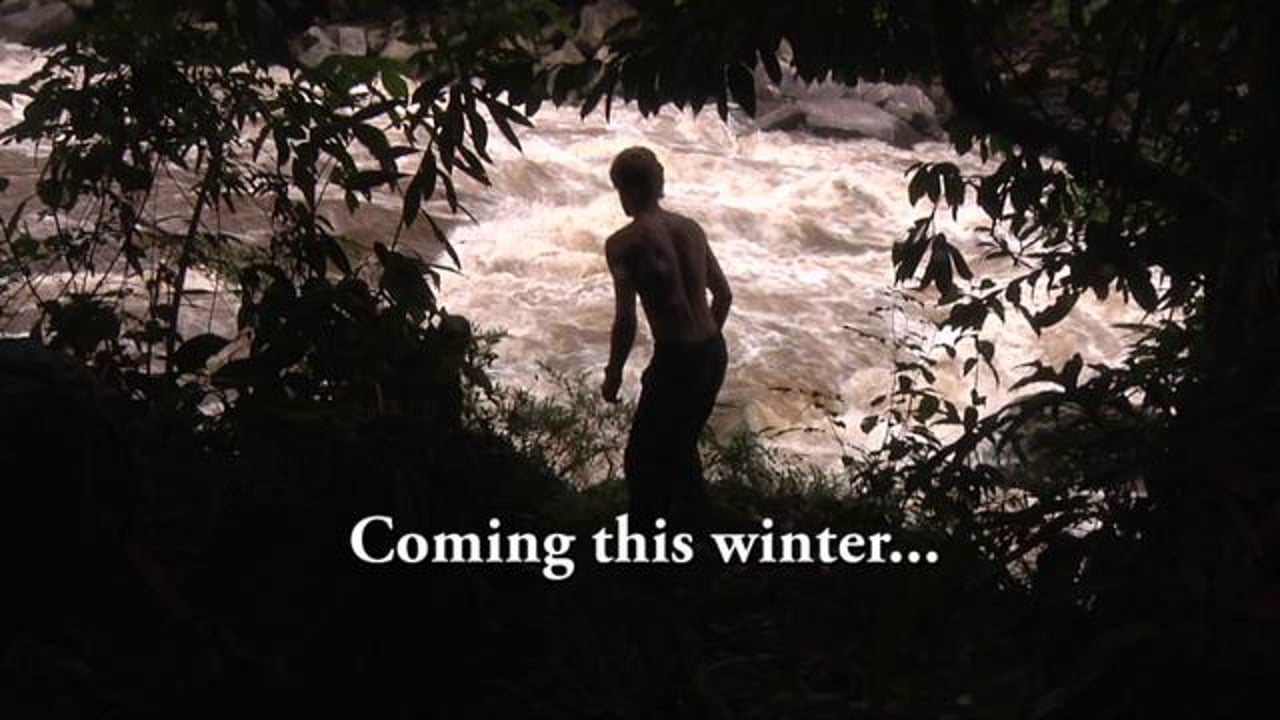
From December 2010 to February 2011 a young, international and multidisciplinary team of researchers and creatives explored an as yet unstudied area of extremely remote but threatened primary rainforest in the centre of the island of Borneo. The Murung Raya Expedition team spent 8 weeks at their base camp site in the Bukit Batikap Protection Forest, Central Kalimantan, combining science and the media to discover, educate and inspire.

Murung Raya Expedition Bukit Batikap Protection Forest

The research team conducted an interdisciplinary biodiversity survey of the area, making many important discoveries that lead to the conclusion that the area is of high conservation value, while the notably higher levels of biodiversity recorded in northern Borneo are likely a result of a survey bias weighted in favour of Sabah and Sarawak, indicating that Kalimantan more widely harbours far greater biodiversity than is currently represented in the literature.

Meanwhile a media team produced professional quality film, photography and articles to document the various elements of the expedition activities and results. Over 45 films, 50 blogs, and 20 photo galleries were produced, written and edited on location, and the latest satellite communications technology was used to broadcast these resources online almost daily to create an interactive expedition that would engage and inspire an international audience.

In addition, two live video links between the team at the expedition base camp and family audiences in the Attenborough Studio of the Natural History Museum, London, were successfully conducted, along with two live online web chats hosted on the Guardian website.

Bukit Batikap Protection Forest is now being used as a release site for orang-utans by the Borneo Orangutan Survival Foundation, thanks in part to the expedition research results, while the regional government has written its strong support for plans to begin a permanent, participatory research program in the area. This ongoing attention should act as a deterrent to further illegal logging activity that has been present in the area.

Murung Raya Expedition Camp Foyle

The Murung Raya Expedition received wide support and sponsorship, notably from the RGS Neville Shulman Challenge Award, University of Exeter, and ZSL Darwin Erasmus Award. Originally called ‘fx-pedition 2010’ (for Falmouth and Exeter universities), it eventually operated under the banner of the Heart of Borneo Project: a charity founded by the Expedition Leader and Lead Scientist to continue the work begun by the expedition.

The expedition was awarded an inaugural University of Exeter Impact Award, and was named Expedition of the Year by Explorer Magazine. The FXU Exploration Society founded by the expedition team at Tremough Campus is a legacy that will continue to encourage ambitious, creative, interdisciplinary expeditions among the student population.

The Heart of Borneo Project continues to explore interesting and threatened areas on the island, as well as pioneering approaches to participatory and interactive research projects.

BACKGROUND INFORMATION

For centuries, the extensive forests of Borneo have captured the imagination of explorers and scientists alike. Today however, over half of the island’s forest cover has disappeared and deforestation continues to be amongst the highest in the world. It has been projected that if business (in the form of timber extraction, oil palm plantation and coal and mineral extraction) continues at the current level less than a third of Borneo’s forest will remain by 2020.

Murung Raya Expedition

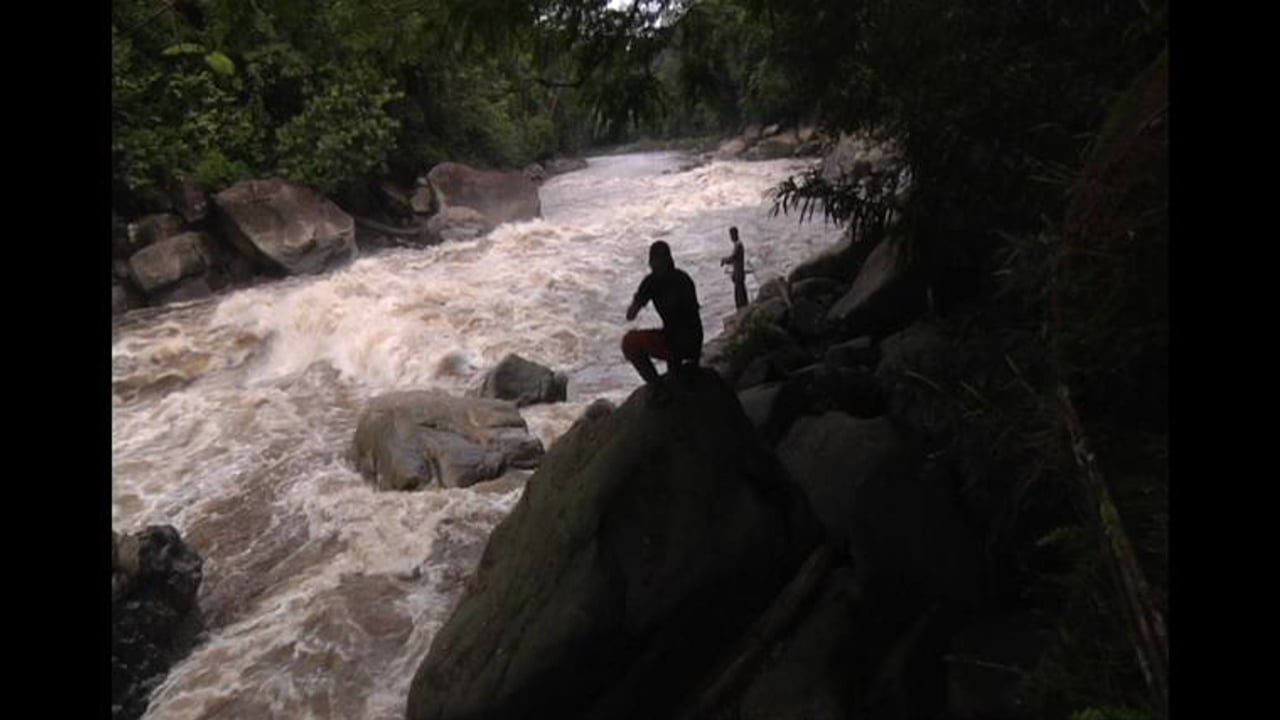
View of the Mohot river upstream from Camp Foyle

The lowland dipterocarp forests, in which it is estimated that more than 60% of Borneo’s rainforest species reside, face the greatest threats. They are the most commercially attractive and most heavily exploited habitats and are disappearing at alarming rate. Even Kalimantan’s protected areas do not provide the shelter one might expect. From 1985 to 2001 over 56% of the lowland forest situated in legally protected areas was logged or converted. With the rate of deforestation at an all-time high, the implementation of more effective conservation measurements is thus of utmost importance.

Despite the continuing extensive forest conversion, Borneo’s central areas still harbour one of the largest continuous stretches of primary rainforest in Southeast Asia. To conserve the biodiversity in this vast region, the governments of Indonesia, Malaysia and Brunei signed a declaration in 2007:
“To cooperate in ensuring the effective management of forest resources and conservation of a network of protected areas, productive forests and other sustainable land-uses within an area which the three respective countries will designate as the “Heart of Borneo (HoB)”

Murung Raya Expedition Satellite Communications

Dan Sargison posing with our BGAN terminal, donated by Livewire Digital

Although this is considered to be a historical agreement on a political level, looking at what is actually being implemented on the ground, the reality paints a less optimistic picture: Implementation of regulations is slow, illegal logging and corruption are still serious issues, and the establishment of new conservation areas is falling behind, despite Indonesia’s goodwill to protect its environment.

The research carried out during the Heart of Borneo Project’s Murung Raya Expedition took place within the gazetted boundaries of the Heart of Borneo, in a remote primary lowland rainforest of Central Kalimantan, to help the conservation of this unique area.

EXPEDITION LOCATION

Batikap Protection Forest, Murung Raya regency, Central Kalimantan, Borneo, Indonesia

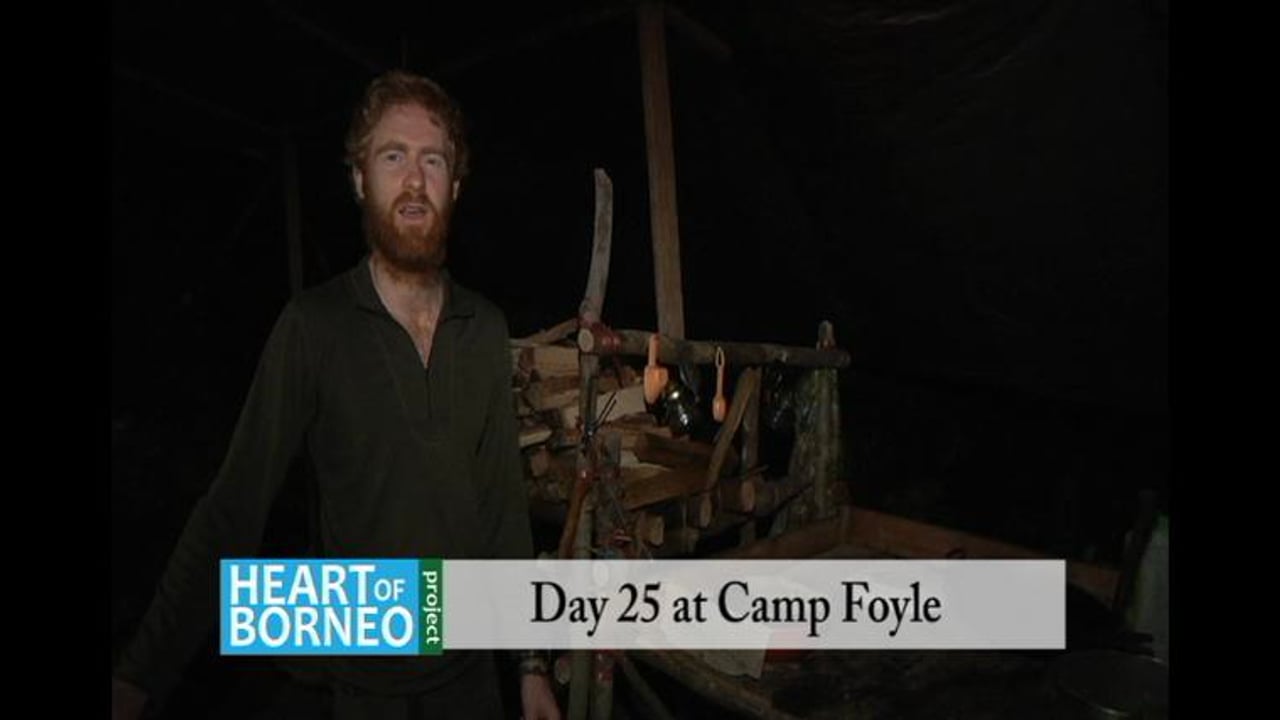
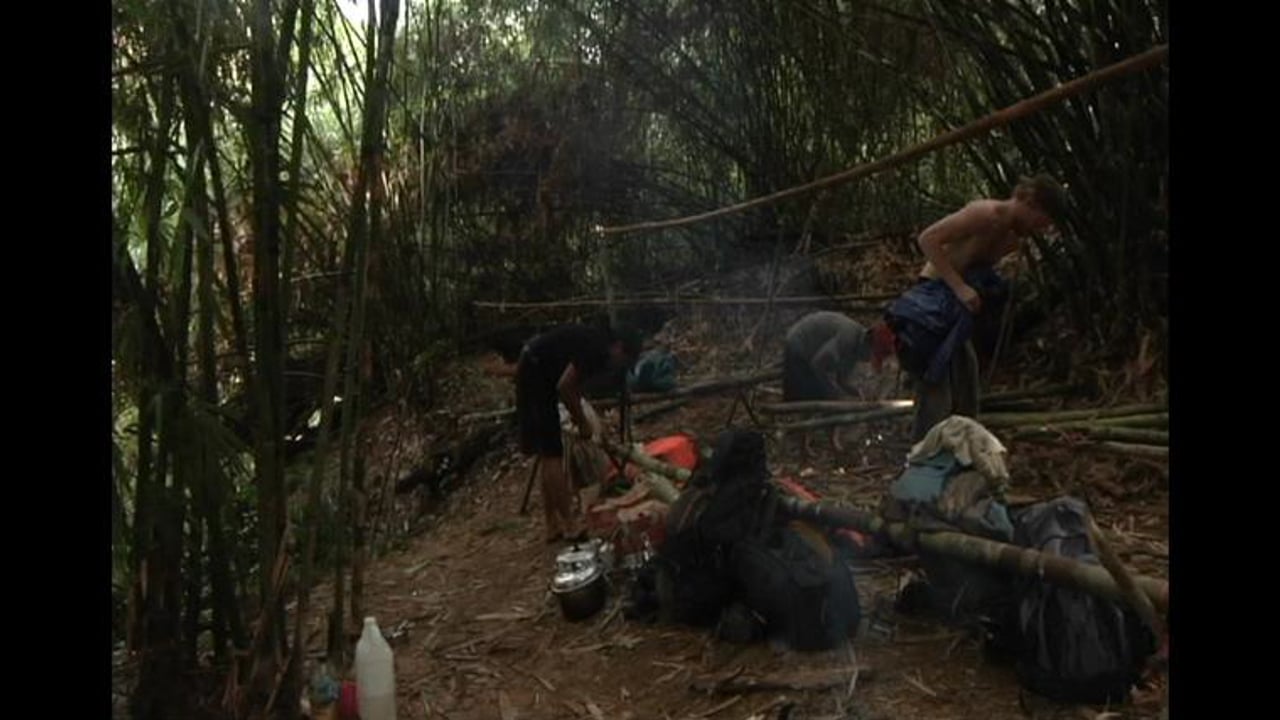
Camp Foyle (our base camp) was constructed on the northern bank of the Mohot River at latitude -0.0922 ̊, longitude 113.4875

AIMS & OBJECTIVES

DISCOVER

  • To explore and document an as yet unstudied area of primary rainforest in the Murung Raya district of Central Kalimantan, Borneo.
  • To create a representative picture of the biodiversity in the area through surveys on mammals, birds, reptiles, amphibians, invertebrates, epiphytes and forest structure.
  • To extend these surveys to the rainforest canopy via rope access.
  • To establish and map the range of a hybrid gibbon species thought to present in the region.

EDUCATE

  • To raise awareness of the Heart of Borneo Rainforest and conservation/sustainability issues more widely.
  • To create and share educational resources online before, during and after the expedition.
  • To create and share multimedia during the expedition that provides insights into expeditions, research methodologies, species, ecosystems and wider issues, in an interesting and exciting way.
  • To build capacity among Indonesian researchers and the remote communities in our research area.

INSPIRE

  • To reach and engage with an international audience by creating an interactive expedition through the use of satellite technology and the internet, uploading videos, blogs and pictures near-daily from Camp Foyle.
  • To use the expedition as a learning platform for students from all disciplines at the universities of Exeter and Falmouth to gain professional experience. To inspire future conservationists, researchers and explorers.
  • To engage with live audiences through live video links and online web chats to create a more personal empathy with this environment and its threats.
Murung Raya Expedition Satellite Communications

Tim van Berkel checking camera traps in the field with one of our toughbooks

WHY WAS THIS IMPORTANT?

The objectives of this expedition were to collect biodiversity data in the threatened and unstudied, primary lowland rainforests of Bukit Batikap Protection Forest (BBPF), located in the district of Murung Raya, Central Kalimantan. Research on the status of the biodiversity in this area is virtually absent, and only one previous published account of the biodiversity in BBPF exist.

To date, the vast majority of ecological research has been conducted in the northern parts of Borneo; Sabah and Sarawak, as well as the island’s more accessible coastal regions. In contrast, relatively little is known from the Indonesian interior of the island, and where research in the Heart of Borneo is being conducted, new species continue to be discovered.

So little is known about the interior forests of Kalimantan, it is argued that part of the considered higher animal biodiversity of the well-studied Northern parts of Borneo is in fact a result to larger sampling effort rather than a representation of actual biodiversity patterns. Exploring and documenting the unstudied and threatened areas in Kalimantan is important as it will undoubtedly provide additional species records which form the basis for augmented conservation effort and attention.

Murung Raya Expedition

Lara Rogers listening for gibbon calls

Early in the planning process we established contact with Dr David Chivers and Rupert Ridgeway. Dr David Chivers is scientific director of Project Barito Ulu (PBU) and is based at the University of Cambridge, while Rupert Ridgeway is the Project Manager. PBU was established in 1985 and is the only research centre in the centre of Borneo. It combines studies on natural forest regeneration and the ecology of forest dynamics and is located approximately 60 km from this expedition’s base camp, Camp Foyle. David Chivers identified the need to locate the western boundary of the hybrid gibbon Hylobates albibarbis x H. muelleri, which is known to occur in the area.

The Joloi headwaters were investigated for suitability during a five week recce trip by Martin Holland, Tim van Berkel and Rupert Ridgeway in February and March 2010. During the trip contact was established with various partners, such as the University of Palangka Raya and the Bornean Orang-utan Survival Foundation (BOS) as well as with the villages of Tumbang Tohan (also known as Taja Bankang) and Tumbang Naan.

Murung Raya Expedition Recce

Martin Holland during an aerial recce in preparation for the main expedition

The forests here are still relatively untouched, with only local disturbances occurring along the river edges in the form of regenerating cultivation sites, locally known as ladang. Although the area enjoys Hutan Lindung (Protection Forest) status, until now this has not guaranteed total protection. Illegal logging has occurred in BBPF and additional logging and mining concessions have been granted in BBPF and other Protection Forests in Central Kalimantan (MoFor, 2008), making the presence of conservation organisations and baseline biodiversity data in the area all the more important.

ABOUT THE TEAM

MAIN TEAM

Martin Holland (UK) – Expedition Leader and Production Manager
Tim van Berkel (Netherlands) – Chief Scientist, Terrestrial Vertebrates, Small Mammals, Birds
Lara Rogers (UK) – Assistant Chief Scientist, Terrestrial Mammals, Primates
Russell Goodchild (UK) – Invertebrates
Misbahul Munir (Indonesia) – Birds, Reptiles, Amphibians
Holli Kilburn (UK) – Canopy, Amphibians, Epiphytes
Dale Mortiboys (UK) – Reptiles, Amphibians
Ismail Agung (Indonesia) – Primates
Ian Blessley (UK) – Base Camp Manager, Medic, Birds (left expedition midway)
James Harwood (UK) – Photographer
Dan Sargison (UK) – Technician, Communications

GUEST RESEARCHERS

Jan Beck (Germany) – Moths
Carsten Bruhl (Germany) – Ants

GUIDES AND ASSISTANTS

Bapak Aspor (Head Guide)
Bapak Wik
Bapak Bobo
Ibu Wi (Chef)
Bapak Parman
Bapak Lundung
Bapak Muji
Ibu Dewi (Chef)

COLLABORATING INSTITUTIONS

Indonesian Institute of Sciences (Pusat Penelitian BIOLOGI – Lembaga Ilmu Pengetahuan Indonesia – LIPI) 

University of Palangka Raya (UNPAR)

FXpedition Society

University of Exeter

Natural History Museum, London

Royal Botanical Gardens, Kew

Digital Explorer

Ministry of Science and Technology
Indonesian Department of Forestry
Mission Aviation Fellowship Palangkaraya

Heart of Borneo Initiative

EXPEDITION SPONSORS

Grants and Financial Support

Royal Geographical Society Neville Shulman Challenge Award

University of Exeter Annual Fund

Les and Claire Halpin

Gilchrist Educational Trust

Orangutan Land Trust

World Wildlife Fund
Zoological Society of London Erasmus Darwin Barlow Award

The Explorers Club

The Foyle Foundation

Christopher and Catherine Foyle

Primate Conservation Inc.

Adrian Ashby Smith Memorial Trust

Media Sponsors

Falmouth University Institute of Photography

Panasonic Toughbook

Livewire Digital

Equipment Sponsors

Treeworker, Teufelberger, Doro, Craghoppers, Marlow, AST, Lightfoot, WorkWare, Nikwax, DD Hammocks, Paramo, Aquapac, Tupperware

With Special Thanks To

Les Halpin, Rupert Ridgeway, Robin Hanbury-Tenison, Dr David Chivers, Godwin Limberg, Shane Winser, Chris Greenwood, the kepala desas and inhabitants of Tumbang Tohan and Tumbang Naan, Pak Yunting, Sophie Persey, Brendan Godley, Christopher Foyle, Dr Peter Smithers, Alasdair McMillan, Melati Gray

EXPEDITION BUDGET

Income

Grants – £29,064

Fundraising and Donations – £22,922
Team Member Contributions – £15,000

TOTAL – £66,986

Costs

Fees and Permits – £3,042

Travel – £12,375
Accommodation – £985

Subsistence – £733
Field Supplies and Equipment – £19,788

Communications – £6,338
Insurance and Safety – £8,119

Transport and Logistics – £2,966
Field Staff Wages – £5,861

Exchange Rate Differences – £815
Recce Costs – £4,800

Celebration Event – £600
Other Costs – £214

TOTAL – £66,986

JOIN THE COMMUNITY

Help us turn Expedition Base Camp into a thriving scientific and expedition community. Our newsletter will feature expedition updates and opportunities, forum topics, grant deadline alerts, and much more.

[chimpy_form forms=”1″]


About The Author

Expedition Base Camp is a new digital home for expedition and adventure planning, promotion, and participation, with the goal of increasing the impact of expeditions and adventures around the world. It is a free and easy to use platform to promote your expedition, a place to find and share ideas and resources, and a diverse community of helpful experts and expedition newbies. Welcome, to Base Camp.
Related Posts

Leave a Reply

Your email address will not be published.

Expedition Cloudbridge 2017 Expedition Base Camp

Expedition Cloudbridge 2017

Promoting the importance of cloudforest conservation in Costa Rica through scientific research and media When: 5 July - 24 August 2017 Where: Cloudbridge Nature Reserve, Costa Rica What: Cloudbridge Natu...

Expedition Angano – Mapping the Impact of Forest Fragmentation in Northern Madagascar

When: December 2015

Where: North of Bealanana, Sofia District, Madagascar.

What: Herpetology surveys

Who: UK scientists, Malagasy Institute for Conservation and Tropical Ecology (MICET), University of Antananarivo and University of Antisiranana

Status: Completed

Links: Expedition Website

EXPEDITION SUMMARY

In December 2015 we led an international research expedition to a remote forested mountain in Northern Madagascar. Against a backdrop of deforestation we’re aiming to study the processes that threaten species in fragmented forests, as well as supporting the development of young Malagasy scientists.

BACKGROUND INFORMATION

Madagascar possesses unparalleled levels of biodiversity and endemism, yet has lost around 80-90% of its forest cover.

Expedition Anagano 2015 - Expedition Base Camp

One of the problems of deforestation is that it doesn’t just reduce the total area of surviving forest, it also drastically increases the proportion of forest edges. Edges are frequently hotter and drier, with greater human disturbance, hunting, wind damage and more. All in all, edges are very different habitats, but we don’t know how that impacts the species that live in the forest. Crucially, we don’t know how ‘deep’ edge effects occur: a.k.a. how bad the effect is.

In a country where 90% of surviving forest is estimated to be within 1 kilometer of an ‘edge’ then this is critically important research. We aim to study these edges using reptiles and amphibians as indicators, in order to find out which species are resilient, and which are not. Species that can’t survive on edges could be at far greater risk of extinction than we realise (and some may still be unknown to science!).

In a practical sense, with much conservation attention now focused on forest regeneration and habitat corridors, we hope to be able to assess the value of smaller fragments which have large proportions of edge habitat. Thus, we could prioritize those fragments which have the potential to support viable relict populations of rare species.

Expedition Angano 2015 - Expedition Base Camp

EXPEDITION LOCATION

North of Bealanana, Sofia District, Madagascar.

Approx region 14°26’08″S 48°42’11″E

AIMS & OBJECTIVES

  • To assess how different species groups respond to forest edges.
  • To compile an inventory of reptile and amphibian species present in the region, with voucher specimens deposited in appropriate collections.
  • To provide training and field experience to local Malagasy students.
  • Produce a short documentary on the project.

WHY WAS THIS IMPORTANT?

Forest fragmentation is a problem right around the world, yet the impact of ‘edge effects’ is hugely understudied. Hopefully, we can help contribute to understanding these, whilst supporting the training of the next generation of young Malagasy scientists.

ABOUT THE TEAM

Expedition Leader: James Borrell (UK)
Blog | Twitter | Facebook | Instagram

Logistics Officer: Lawrence Ball
Science Officer: Mark Scherz
Filming and Photography: Duncan Parker
GIS and Data Specialist: Thom Starnes
Chief in-country Collaborators: Jeanneney Rabearivony, Marius Rakotondratsima & John Zaonarivelo

COLLABORATING INSTITUTIONS

The expedition collaborated with MICET (Malagasy Institute for Conservation and Tropical Ecology), University of Antananarivo and University of Antisiranana

Expedition Angano 2015 - Expedition Base Camp

BUDGET AND INCOME

Expedition Budget: £15,000

Income from Grants: £8,000
Income from Crowdfunding: £1,400
Personal Contributions: £5,500
Value of loaned equipment: £700

EXPEDITION SPONSORS

Zoological Society of London
Royal Geographical Society
Scientific Exploration Society
Cadogan Tate
Royal Meteorological Society
Queen Mary University of London
Indiegogo

FIND OUT MORE…

Visit www.expeditionangano.org

Or connect on Facebook or You Tube

Expedition-Anganon-2016-02


About The Author

Expedition Base Camp is a new digital home for expedition and adventure planning, promotion, and participation, with the goal of increasing the impact of expeditions and adventures around the world. It is a free and easy to use platform to promote your expedition, a place to find and share ideas and resources, and a diverse community of helpful experts and expedition newbies. Welcome, to Base Camp.

Related Posts

Leave a Reply

Your email address will not be published.